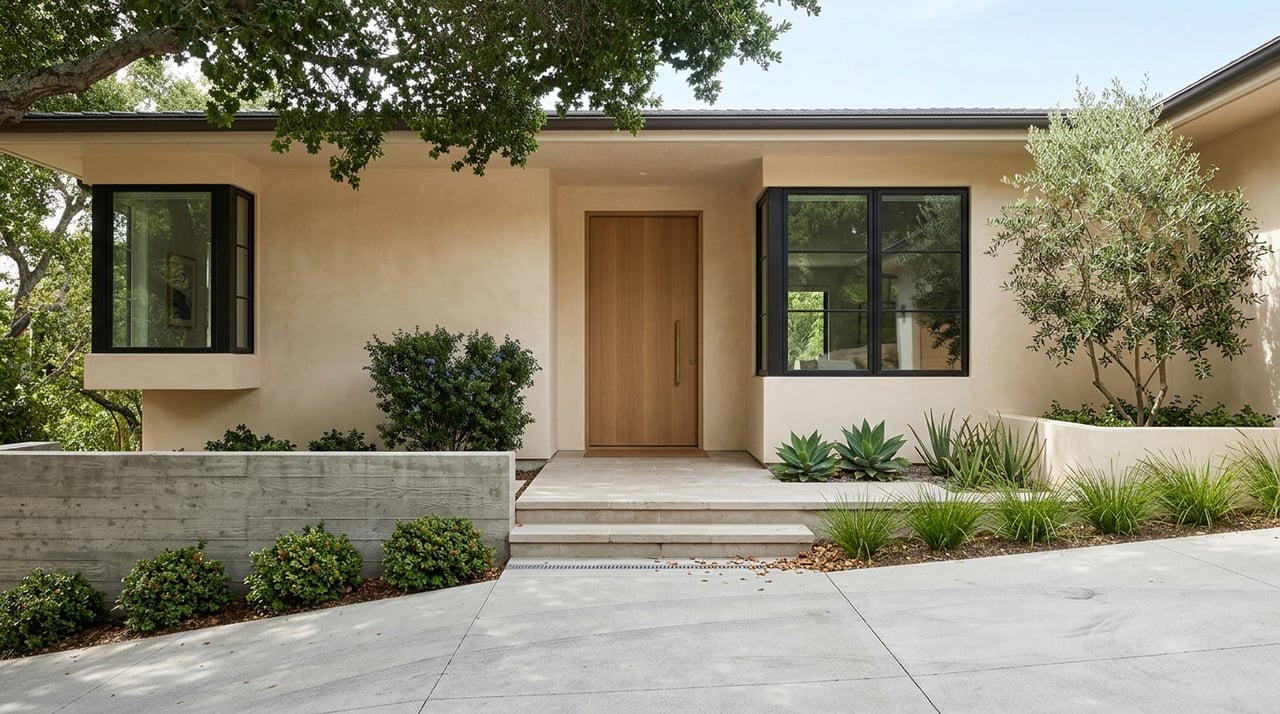
If you are drawn to Sherman Oaks but keep hearing people talk about being “south of Ventura,” you may be wondering whether that distinction really matters. In this part of the neighborhood, it does. South of Ventura has a different physical feel, a different housing mix, and a different lifestyle rhythm than the flatter areas nearby. If you are trying to decide whether it fits how you want to live, this guide will help you think it through clearly. Let’s dive in.
What South of Ventura Means
In Sherman Oaks, “South of Ventura” generally refers to the hillside area south of Ventura Boulevard within the larger Sherman Oaks, Studio City, Toluca Lake, and Cahuenga Pass planning area. According to the City of Los Angeles community plan, the hills and vistas south of Ventura and Cahuenga are a defining feature of this area, and the neighborhood is predominantly single-family residential.
That makes this more than a casual directional label. City planning documents describe a real contrast between the two sides of Ventura Boulevard. North of Ventura is flatter and more grid-like, while south of Ventura rises into the Santa Monica Mountains with curving streets and cul-de-sacs.
How the Neighborhood Feels
One of the biggest reasons buyers focus on this pocket is its setting. South of Ventura tends to feel more tucked away, with hillside streets and a more residential atmosphere. If you want a quieter environment without feeling far from daily conveniences, that balance is a big part of the appeal.
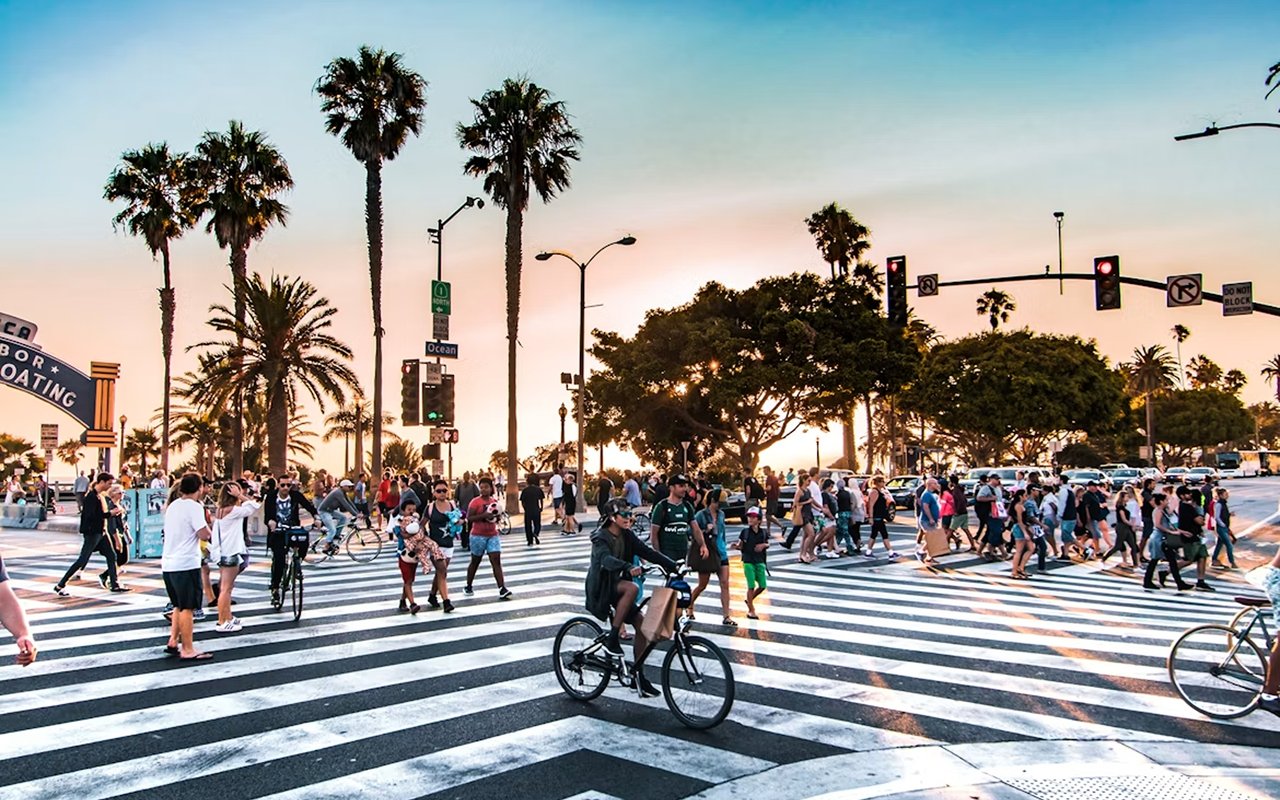
Ventura Boulevard still plays a central role in day-to-day life here. It serves as the neighborhood’s commercial spine, with shopping, dining, and pedestrian-oriented improvements that help tie the area together. You can enjoy a more residential home setting while staying close to the activity and convenience along the boulevard.
Homes and Architecture
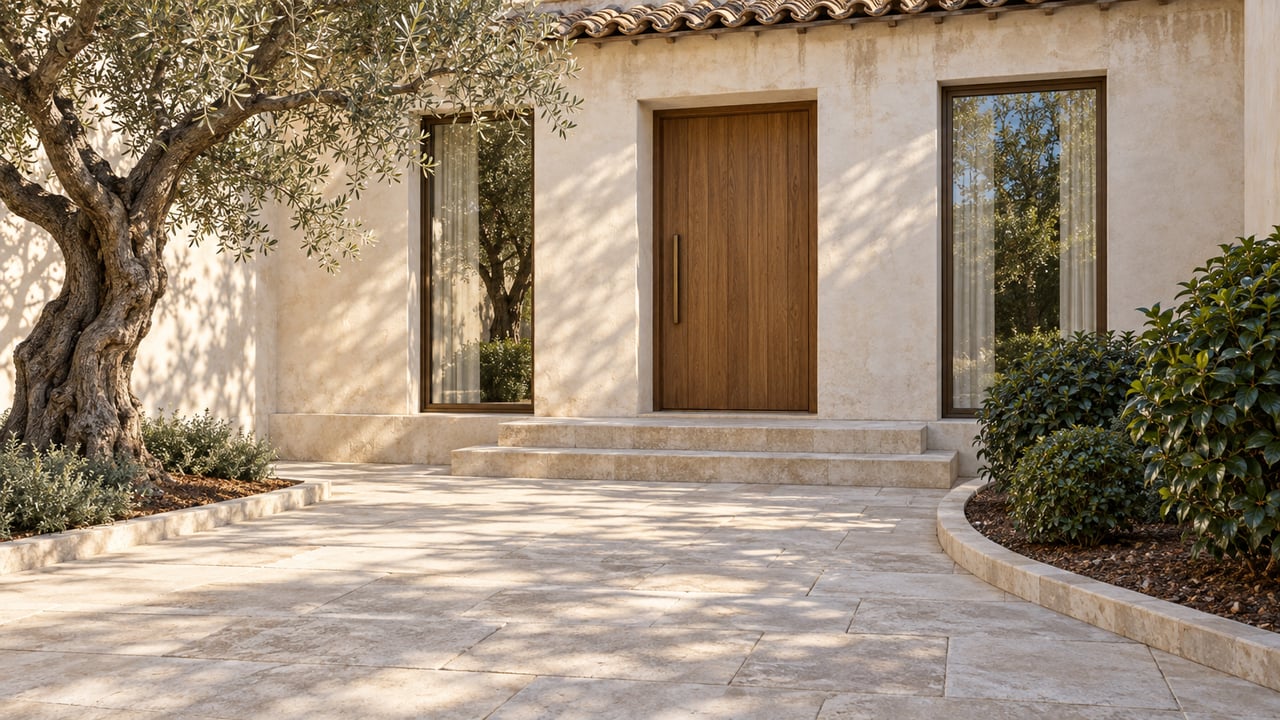
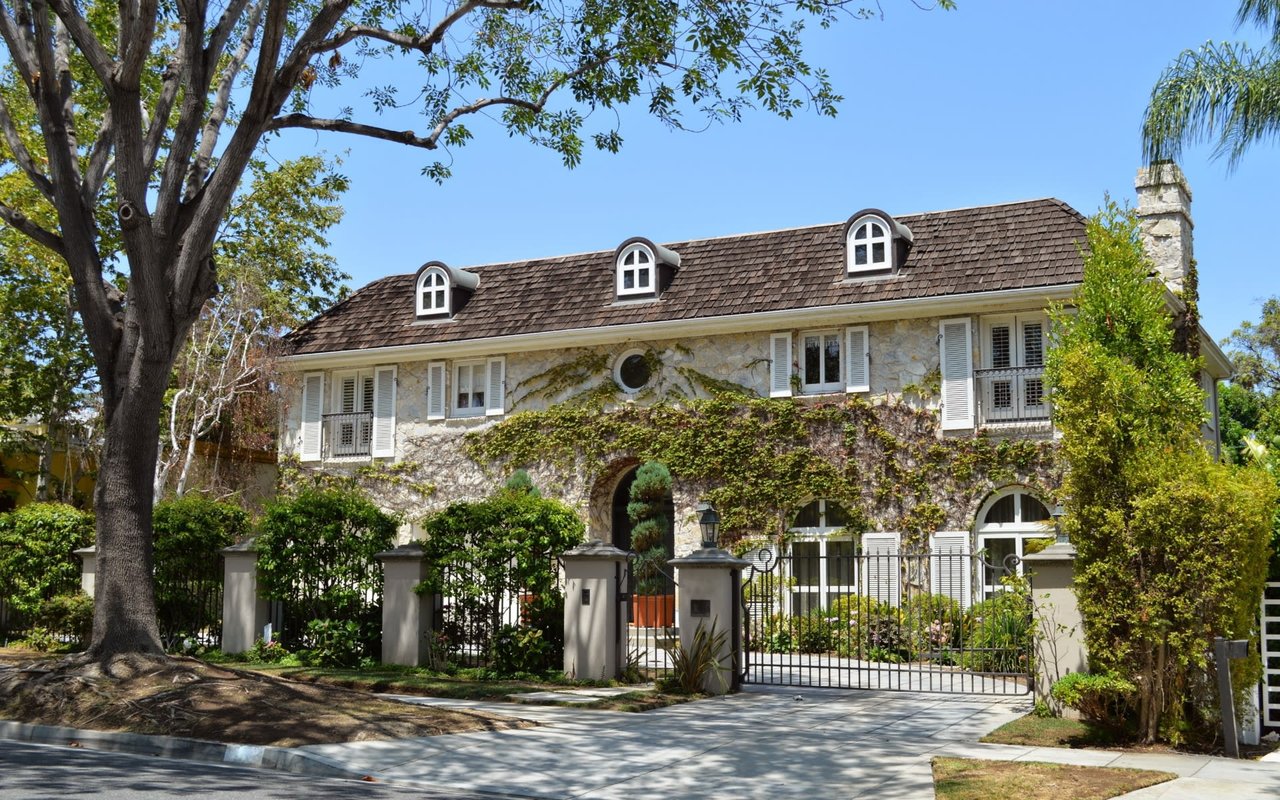
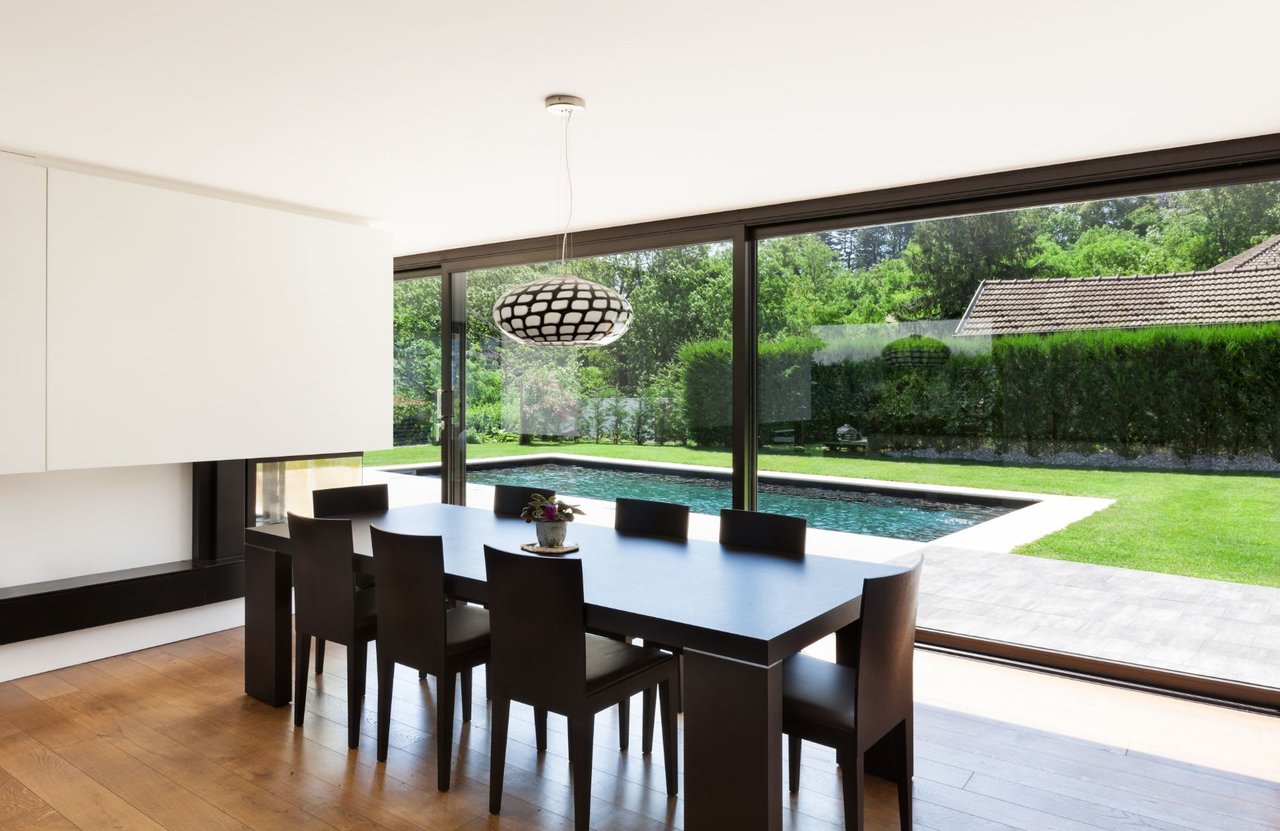
If architecture matters to you, South of Ventura is worth a close look. This area is especially known for custom hillside homes, mid-century modern properties, and architecturally distinctive residences. The housing stock often feels more individual than what you may find in flatter subdivision-style areas.
A standout example is the Platform Houses on Oakfield Drive. These 17 mid-century modern homes were built between 1962 and 1966 and designed by Richard Neutra and William S. Beckett. They are known for steep-slope platform construction and dramatic forms that cantilever toward the valley.
That said, it would be too simple to describe the neighborhood as only modern. The broader Sherman Oaks and Studio City planning area includes a wider mix of architectural styles, and city planning materials emphasize preserving historically significant buildings and original facades. In practice, that means you may find design variety along with the area’s strong hillside identity.
South of Ventura vs North of Ventura
For many buyers, the real question is not whether Sherman Oaks is appealing. It is which part of Sherman Oaks fits best.
South of Ventura usually makes more sense if you want:
- A detached-home feel
- Hilly topography and possible view-oriented settings
- Curving streets and a more tucked-away layout
- Custom homes or stronger architectural character
- Close access to Ventura Boulevard without living in the middle of flatter, busier blocks
North of Ventura may be a better fit if you prefer:
- Flatter streets and a more regular grid
- More early- to mid-century subdivisions
- A greater mix of multi-family and courtyard apartment housing
- A lower-maintenance setup in some parts of the neighborhood
Neither option is inherently better. The right choice depends on whether you value hillside privacy and design character more than flat-lot simplicity and a more uniform street pattern.
Daily Convenience and Access
A neighborhood can look great on paper and still fall short in everyday life. South of Ventura tends to work well for buyers who want a residential setting that still connects easily to the rest of Los Angeles.
The adopted community plan notes access to the Hollywood, Ventura, and 101 freeways. That connectivity helps explain why this area often appeals to relocators and move-up buyers who need flexibility for work, family, or time spent in multiple parts of the city.
Ventura Boulevard also adds a practical layer to the lifestyle here. The corridor has long been planned as a unified commercial spine, with ground-level retail activity, outdoor dining, and pedestrian-friendly improvements. In simple terms, you can live in a hillside residential pocket while keeping errands, meals, and casual outings within easy reach.
A Note on Future Transit
If future connectivity matters to you, there is one planning item worth knowing about. Metro’s Sepulveda Transit Corridor is a proposed high-capacity rail line connecting the San Fernando Valley and the Westside.
As of January 2026, Metro selected a Locally Preferred Alternative, but the project is still in planning and environmental review. For now, it is best to think of this as a future possibility rather than an existing transportation feature.
What the Market Suggests
South of Ventura is often treated like a micro-market, and the available numbers support that idea. Recent data for Sherman Oaks showed a median sale price of $1.35 million over the three months ending May 2026, with a median of 56 days on market.
For buyers also comparing nearby options, Studio City came in higher at $1.79 million over the same period, with 57 days on market. That comparison can be useful if you are deciding between two adjacent neighborhoods with overlapping lifestyle appeal.
Because there is no perfect official data set for the exact South of Ventura pocket, ZIP code 91423 can serve as a rough local proxy. In May 2026, Redfin reported a median sale price of $1,649,510 there, with 140 homes plus one early-access listing. It is not a formal boundary line, but it does suggest this pocket often trades above the broader Sherman Oaks median while still below Studio City’s recent median.
Who This Area Fits Best
South of Ventura often makes the most sense for buyers who want more than just a Sherman Oaks address. It tends to be a strong fit if you are looking for a detached home, architectural personality, and a setting that feels more elevated and residential.
This can be especially appealing if you are relocating within Los Angeles or moving back into the city after renting elsewhere. The neighborhood offers a clearer sense of physical identity than some broader Valley searches, which can make your decision easier if you care about design, topography, and lifestyle fit.
It may be less ideal if your top priority is a flatter environment or a more apartment-heavy housing mix. City planning descriptions place more of that product north of Ventura, where the street pattern and housing types differ from the hillside pocket to the south.
Questions to Ask Yourself
Before you decide whether South of Ventura is right for you, it helps to be honest about how you want your home and neighborhood to function.
Ask yourself:
- Do you want a home with more architectural individuality?
- Are you comfortable with hillside streets and curving roads?
- Do you prefer a detached residential feel over a flatter, denser setting?
- Is close access to Ventura Boulevard important to your routine?
- Are you comparing Sherman Oaks with Studio City and trying to balance price with lifestyle?
If you answer yes to most of these, South of Ventura may deserve a closer look. It offers a very specific blend of design character, residential calm, and practical access that can be hard to replicate.
The Bottom Line
South of Ventura is not for everyone, and that is exactly why it stands out. It offers a more defined hillside identity, more single-family residential character, and a stronger architectural story than many nearby options. For the right buyer, that can create a meaningful difference in how home feels day to day.
If you are weighing Sherman Oaks against Studio City, or simply trying to narrow down which pocket of the Valley aligns with your priorities, this is the kind of micro-market where local guidance matters. If you want help thinking through neighborhood fit, architecture, and current opportunities, connect with Marlyse Scherr.
FAQs
What does South of Ventura mean in Sherman Oaks?
- In Sherman Oaks, South of Ventura generally refers to the hillside residential area south of Ventura Boulevard, known for curving streets, hills, and predominantly single-family homes.
Is South of Ventura in Sherman Oaks different from North of Ventura?
- Yes. City planning documents describe north of Ventura as flatter and more grid-like, while south of Ventura rises into the hills with cul-de-sacs, curving roads, and a different housing pattern.
What types of homes are common South of Ventura in Sherman Oaks?
- Buyers often find custom hillside homes, mid-century modern properties, and other architecturally distinctive residences, rather than a more uniform tract-style housing pattern.
Is South of Ventura a good fit for buyers who want walkable amenities?
- It can be a strong fit for buyers who want a quieter residential setting near Ventura Boulevard, which serves as the area’s main commercial corridor for shopping and dining.
How does South of Ventura compare with Studio City pricing?
- Recent data in the research report showed Sherman Oaks at a $1.35 million median sale price and Studio City at $1.79 million, with local 91423 data suggesting the South of Ventura pocket often falls between those two levels.
Is there rail transit now for South of Ventura in Sherman Oaks?
- No. The Sepulveda Transit Corridor is still a proposed project in planning and environmental review, so it should be viewed as future potential rather than an existing transit option.