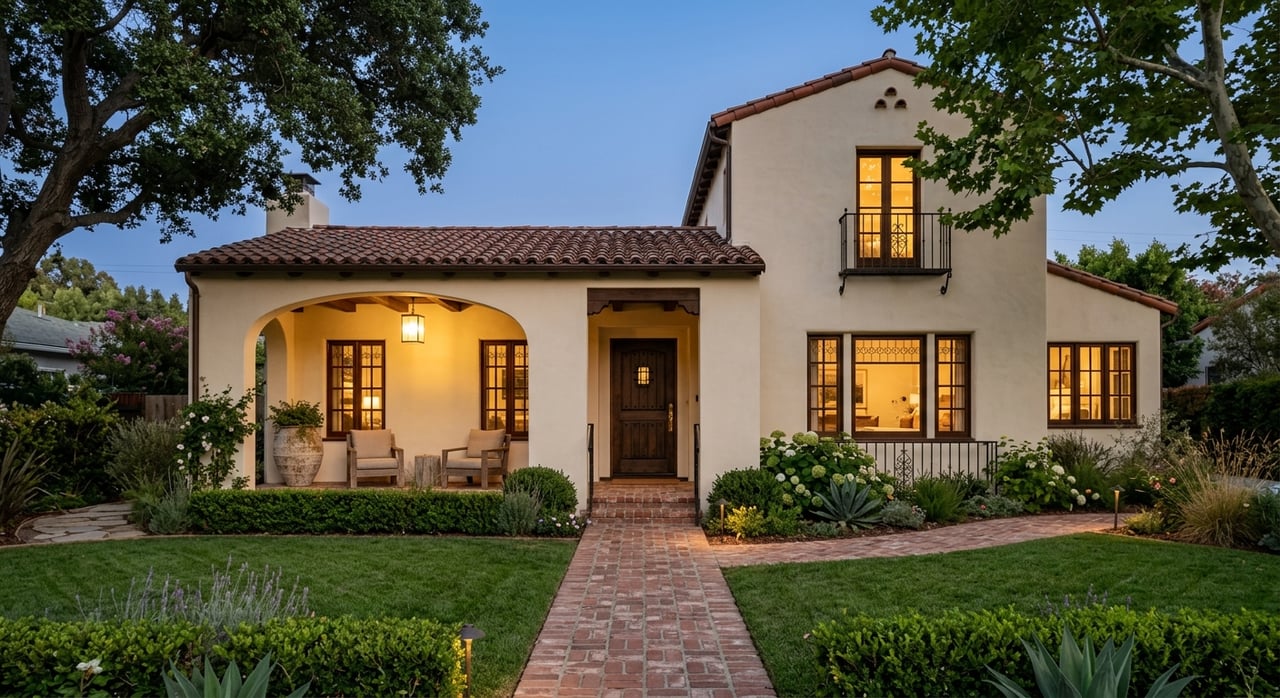
Ever wish you could find a Los Angeles neighborhood that feels both polished and personal? That is part of what draws people to Larchmont Village. If you are exploring Hancock Park or nearby streets, this pocket of LA offers a rare mix of historic architecture, a walkable daily routine, and a real sense of community. Let’s take a closer look.
Why Larchmont Village Stands Out
Larchmont Village is best understood as the commercial heart of a larger historic residential area in central Los Angeles. Local groups describe the village strip as Larchmont Boulevard between Beverly Boulevard and First Street, while the surrounding area connects closely with Hancock Park and Windsor Square.
That overlap helps explain the neighborhood’s appeal. You get a compact, pedestrian-friendly boulevard framed by older residential streets with strong architectural character. In a city known for driving, that village feel is part of what makes this area memorable.
A Historic LA Village Core
Larchmont grew as a streetcar suburb in the early 20th century. Local history sources connect its commercial development to Julius LaBonte and the creation of the early business district in 1921 on the 100 and 200 blocks of Larchmont Boulevard.
That history still shows up in the way the neighborhood functions today. Instead of feeling like a typical retail corridor, Larchmont reads as a small village center that serves the surrounding homes of Hancock Park and Windsor Square.
Architecture Shapes the Experience
If you spend time around Larchmont, the residential streets are a big part of the story. The houses surrounding the boulevard give the area its depth, scale, and sense of continuity.
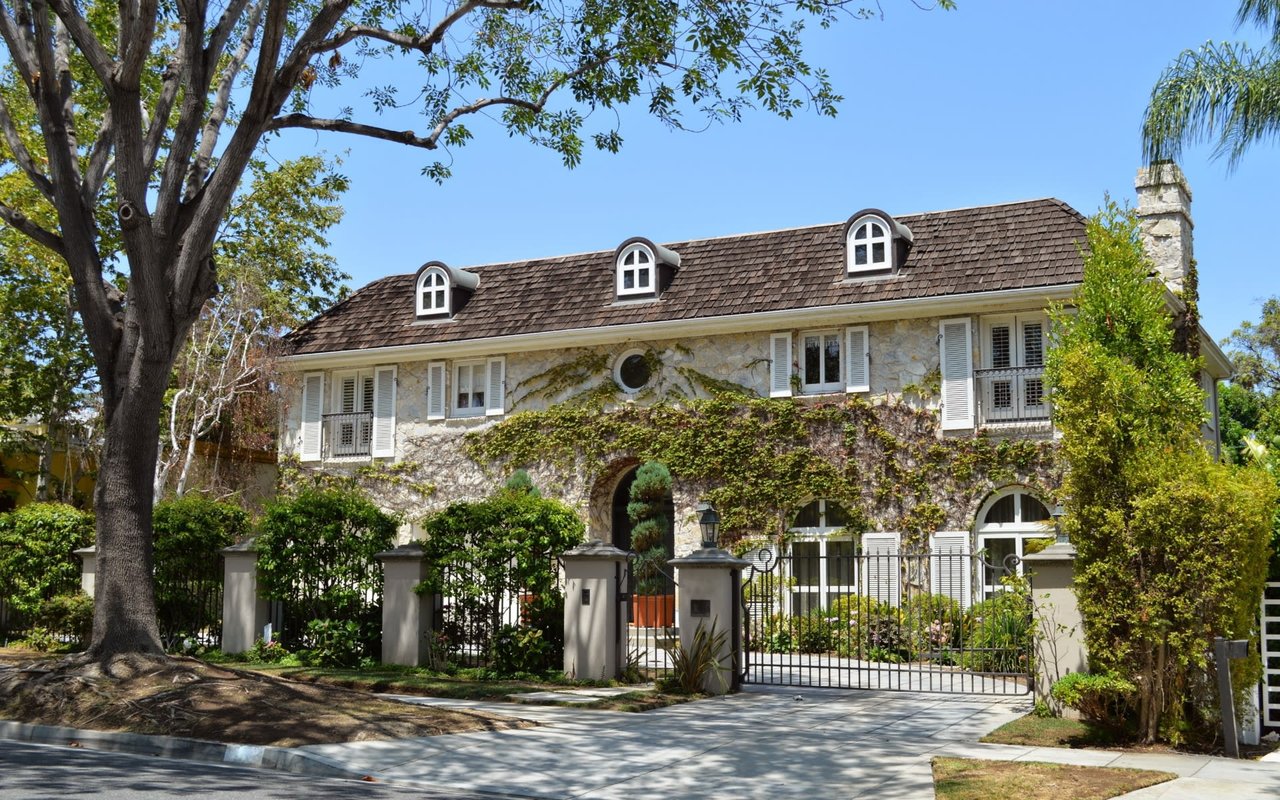
In Hancock Park, the City of Los Angeles describes many homes as large two-story single-family residences in Period Revival styles. These include Tudor Revival, English Revival, Spanish Colonial Revival, Mediterranean Revival, Monterey Revival, and American Colonial Revival.
The city also notes physical details that shape the streetscape, including 50-foot setbacks, side driveways, and porte cochere arrangements. Those features create a feeling of space and formality that is hard to replicate in newer neighborhoods.
Windsor Square Adds More Variety
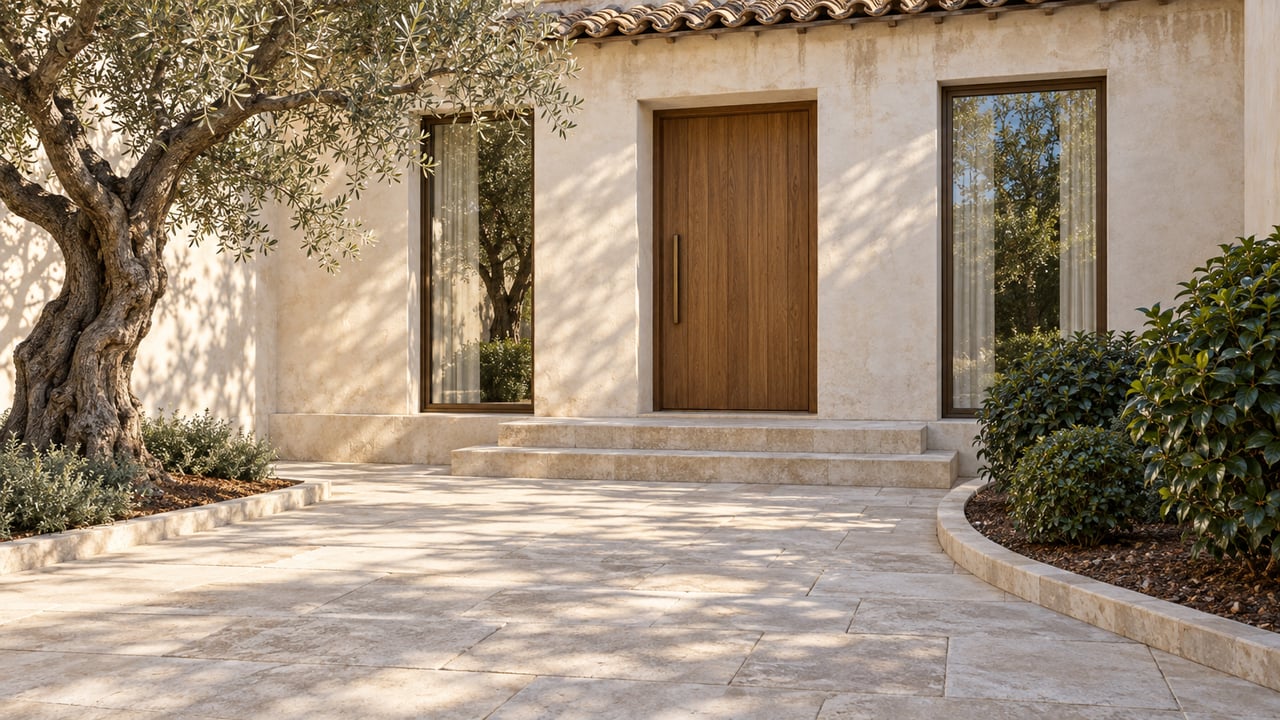
Windsor Square, just nearby, adds another layer of architectural richness. The neighborhood was planned in 1911 around large lots and elegant homes.
According to the City of Los Angeles, early homes there include Craftsman and Beaux Arts or Classical Revival examples. Later homes reflect Spanish Colonial, Mediterranean, Tudor, English, French, and American Colonial Revival styles, along with some Contemporary and California Ranch houses.
For buyers, this means the area offers more than one look or layout. For sellers, it reinforces why presentation, pricing, and neighborhood context matter so much in these character-driven streets.
Preservation Supports Long-Term Character
One reason Larchmont and the surrounding neighborhoods feel cohesive is the city’s historic preservation framework. Hancock Park’s HPOZ was adopted in 2008, and Windsor Square’s HPOZ was adopted in 2004.
The practical takeaway is simple. New projects in these districts must complement the historic character of the area, which helps limit abrupt visual change and supports the neighborhood’s architectural identity.
The City of Los Angeles also notes that the Mills Act program can offer potential property tax relief for owners of Historic-Cultural Monuments and contributing properties within HPOZs. For many homeowners, that makes preservation not just cultural, but also practical.
Coffee Is Part of the Lifestyle
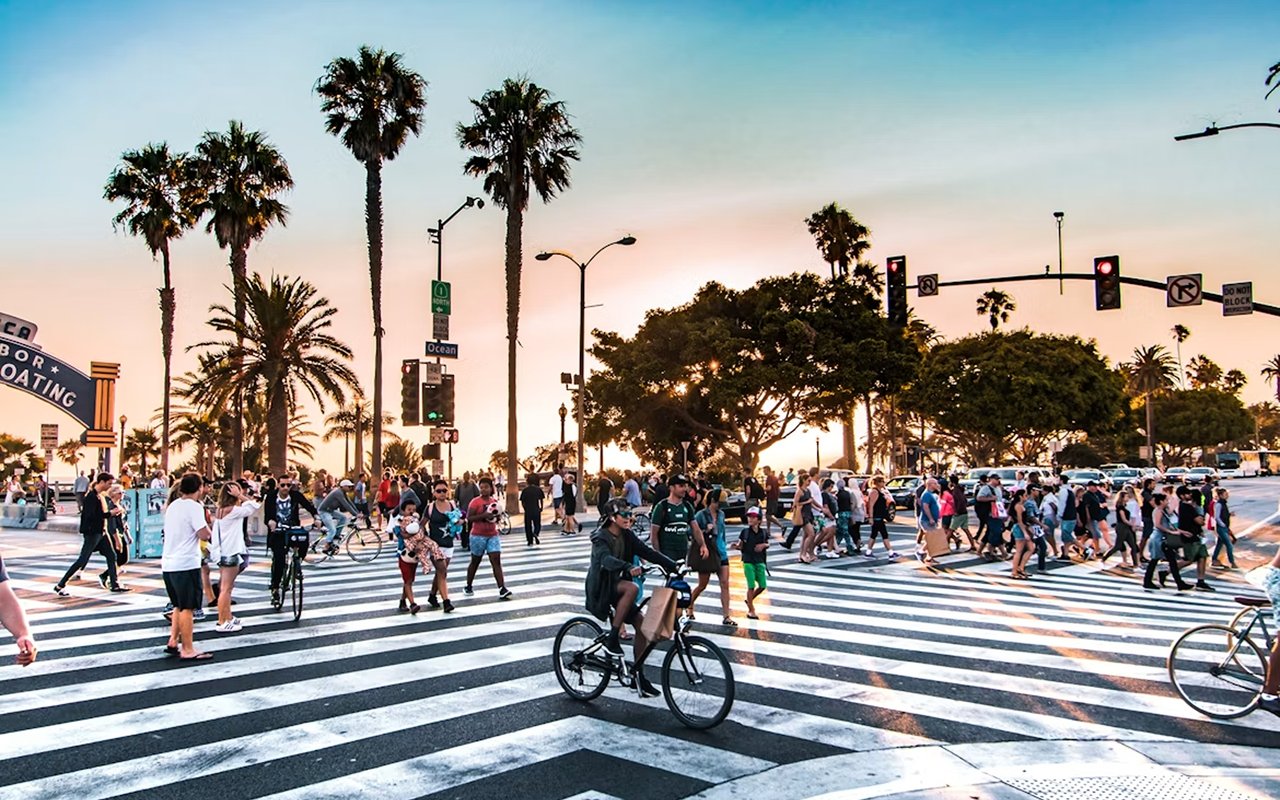
Larchmont’s daily rhythm is shaped by a short, highly walkable commercial strip. Coffee is a major part of that pattern, and it helps define the neighborhood’s pace.
Groundwork Coffee at 150 N Larchmont Boulevard serves handcrafted organic coffee drinks, house-made baked goods, grab-and-go items, and a made-to-order menu. Peet’s Coffee at 124 N Larchmont Boulevard opens especially early, with weekday hours listed from 4:30 a.m. to 6:30 p.m. and weekend hours from 5:30 a.m. to 7:00 p.m.
That matters because lifestyle is often built around small routines. In Larchmont, coffee runs, morning walks, and quick neighborhood errands are part of what gives the area its lived-in appeal.
Shopping and Errands Stay Close By
Larchmont is not only about coffee and brunch. The business mix supports a practical, day-to-day lifestyle with a strong local feel.
The Larchmont Boulevard Association says North Larchmont includes service businesses such as the Junior League, gift and stationery stores, beauty salons and spas, pet care, dentists, and doctors. The Village section includes clothing, eyewear, skincare, footwear, coffee, pastries, ice cream, specialty sandwiches, and Italian food.
Chevalier’s Books at 133 N Larchmont Boulevard adds another layer of identity. It has served as a community bookshop since 1940, giving the boulevard a place for browsing and lingering, not just checking items off a list.
The Farmers Market Anchors the Week
The Larchmont Village Farmers’ Market is one of the neighborhood’s most visible weekly traditions. It takes place at 209 N Larchmont Boulevard on Wednesdays and Sundays.
Official sources agree on Sunday hours of 10:00 a.m. to 2:00 p.m. Wednesday hours vary slightly by source, with one listing showing 12:30 p.m. to 4:30 p.m. and another showing 1:00 p.m. to 5:00 p.m.
For residents, the bigger point is consistency. A recurring market creates regular reasons to be out, see neighbors, and engage with the street in a way that feels local and grounded.
Community Life Feels Active and Visible
Larchmont’s appeal is not just physical. It is also social and civic.
The Larchmont Boulevard Association says it has organized the neighborhood since 1965 and helps run the weekly farmers market, the annual Family Fair, security patrols, holiday decorations, planters, mixers, and filming coordination. Its membership information notes that the Family Fair takes place in October and draws more than 10,000 people.
On the residential side, Larchmont United Neighborhood Association describes itself as a grassroots nonprofit focused on safety, land use, beautification, community-building events, and historic preservation advocacy. It also notes that both homeowners and renters participate in the neighborhood, which speaks to the area’s broader community identity.
What This Means for Buyers
If you are buying near Larchmont Village, you are not just choosing a house. You are choosing a setting where architecture, walkability, and neighborhood rhythm work together.
That can affect how you evaluate value. A home here may appeal because of its design, its relationship to a preserved streetscape, or its proximity to a village-style commercial strip that supports everyday routines.
It can also shape your search strategy. In a neighborhood where character matters this much, the right fit often comes down to block-by-block nuance, architectural preferences, and how you want daily life to feel.
What This Means for Sellers
If you own a home near Larchmont Village, your property is part of a larger story. Buyers are often responding to more than square footage or finishes. They are also reacting to the neighborhood’s historic consistency, mature streets, and village atmosphere.
That is why thoughtful preparation matters. Positioning a home well in this area means understanding how its architecture, lot presence, and location within the surrounding neighborhood fit into what buyers are looking for.
In character neighborhoods like Hancock Park and Windsor Square, strong marketing is often most effective when it highlights both the home itself and the lifestyle tied to Larchmont’s walkable core.
Why Larchmont Holds Its Appeal
Larchmont Village continues to stand out because it offers a combination that is hard to fake. You have preserved architecture, a compact retail spine, established local institutions, and repeated weekly touchpoints that bring people into shared spaces.
That is a big part of the value story in this part of Los Angeles. Character is not just visual here. It is built into the way the neighborhood functions.
If you are thinking about buying or selling near Larchmont, having a guide who understands both the homes and the lifestyle can make all the difference. For tailored guidance in Hancock Park, Larchmont, and surrounding Los Angeles neighborhoods, connect with Marlyse Scherr.
FAQs
What is Larchmont Village in Los Angeles?
- Larchmont Village is the walkable commercial core along Larchmont Boulevard between Beverly Boulevard and First Street, serving nearby residential areas including Hancock Park and Windsor Square.
What architectural styles are common near Larchmont Village?
- Nearby homes in Hancock Park and Windsor Square include Tudor Revival, English Revival, Spanish Colonial Revival, Mediterranean Revival, American Colonial Revival, Craftsman, Beaux Arts or Classical Revival, French, Contemporary, and California Ranch styles.
What is the Larchmont Village lifestyle like?
- The area has a daytime, pedestrian-oriented rhythm shaped by coffee shops, local services, shopping, dining, and the weekly farmers market.
What is the Larchmont Village Farmers’ Market schedule?
- The market runs on Wednesdays and Sundays at 209 N Larchmont Boulevard, with Sunday hours consistently listed as 10:00 a.m. to 2:00 p.m. and Wednesday hours listed slightly differently by official sources.
Why do buyers look at homes near Larchmont Village?
- Buyers are often drawn to the combination of historic architecture, preserved neighborhood character, and a walkable village center that supports daily routines.
How do historic districts affect homes near Larchmont Village?
- Hancock Park and Windsor Square are covered by HPOZ guidelines, which means new projects must complement neighborhood character, helping preserve the area’s historic identity.