If you picture Venice Beach as one single vibe, you may be surprised by how much it changes from block to block. For some people, Venice means the boardwalk and nonstop activity. For others, it means quiet walk streets, canal views, and a daily routine shaped as much by neighborhood texture as by the ocean. If you are thinking about moving here, this guide will help you understand what living in Venice Beach feels like today. Let’s dive in.
Venice feels like several neighborhoods
One of the most important things to know about Venice is that it is not a uniform beach community. City planning materials describe Venice as a group of identifiable neighborhoods with different coastal issues, land uses, and patterns of daily life. That helps explain why two homes that seem close on a map can offer very different living experiences.
In practical terms, Venice blends beach recreation, tourism, residential streets, local commercial corridors, and creative live/work spaces. The housing mix includes single-family homes, multi-family buildings, mixed-use properties, artist studios, and industrial structures with gallery or live/work uses. That layered mix gives Venice a character that can feel part beach town, part creative district, and part dense urban neighborhood.
The lifestyle shifts by pocket
Ocean Front Walk is the most active
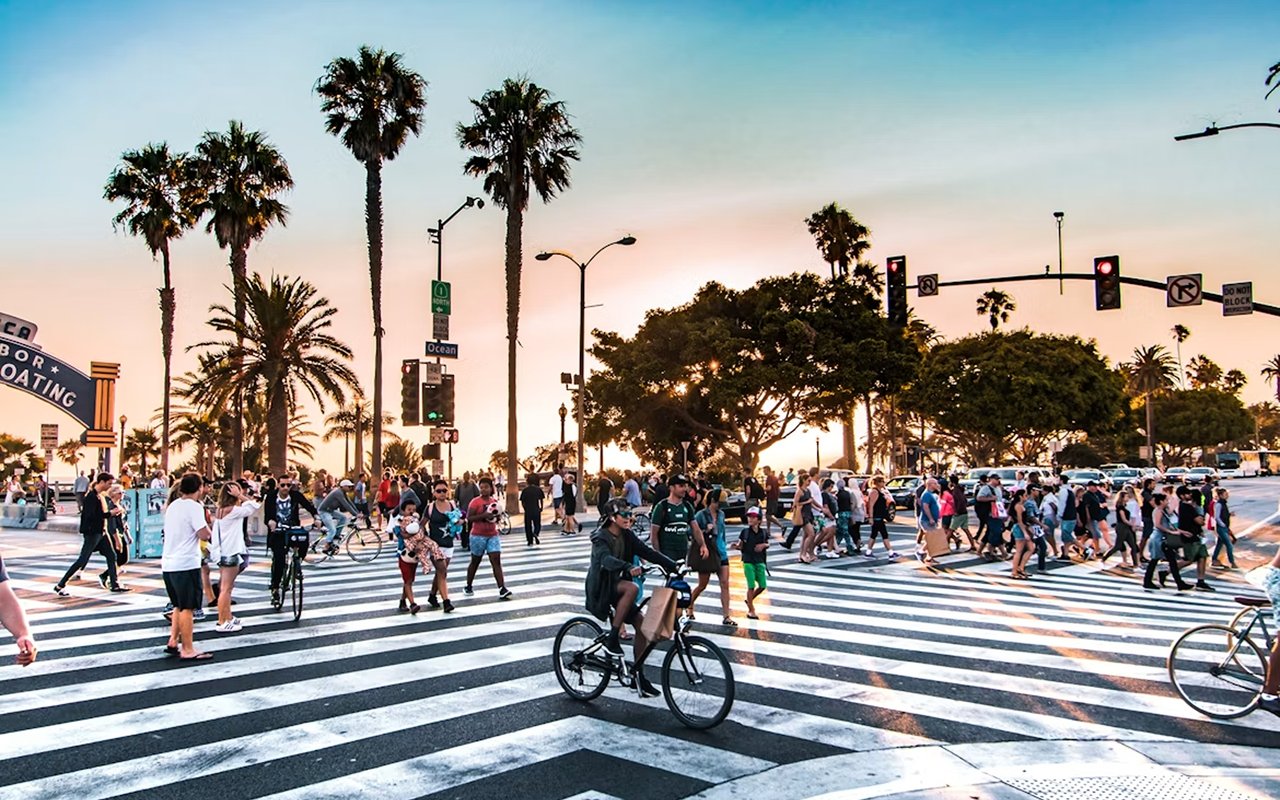
If you live near Ocean Front Walk, you are closest to the most public-facing version of Venice. City materials describe this area as a mixed-use, oceanfront, pedestrian-oriented, tourist-dominated corridor. It is also tied to one of the most visited beach areas in Southern California, which shapes the pace and feel of daily life.
That usually means more activity, more foot traffic, and more noise, especially during the day and on weekends. You are near the iconic Venice image that many people recognize, with performers, artists, shops, restaurants, and constant people-watching. For some buyers and renters, that energy is the draw. For others, it is a reason to look a few blocks inland.
Abbot Kinney feels more curated
The commercial core around Abbot Kinney and nearby Windward has a different rhythm. City planning documents identify Abbot Kinney Boulevard and Rose Avenue as key commercial areas, and this part of Venice is widely seen as a destination for shopping and dining. Compared with the boardwalk, it often feels more neighborhood-serving and more edited in scale.
If you like being able to step out to restaurants, retail, and street activity without living directly in the busiest beachfront zone, this pocket may appeal to you. It still feels distinctly Venice, but in a more polished, destination-oriented way. That difference matters when you are trying to match your home search to your day-to-day lifestyle.
Canals and walk streets feel quieter
The canals, walk streets, and interior residential pockets offer a more tucked-away side of Venice. City documents note that the canals are part of the Ballona Lagoon seawater system and one of the last remaining pockets of coastal wetland habitat in Los Angeles County. Historic district materials also describe North Venice Walk Streets as almost entirely residential.
These areas tend to feel more scenic and private than the beach corridor and commercial edges. You may still be close to everything Venice offers, but the experience can be calmer once you step away from the busiest visitor routes. That contrast is a major part of what makes Venice so specific and so hyperlocal.
Venice changes by block and by hour
One of the clearest realities of living in Venice today is that the neighborhood energy is not static. Public corridors are generally livelier when visitor and retail activity are highest, while interior residential streets often feel more settled when crowds thin out. In Venice, the mood of a place can shift not only by area, but by time of day.
That is why a map search alone is not enough. If you are seriously considering Venice, it helps to experience the exact blocks you are targeting at different times. A home near the beach may feel exciting at one hour and crowded at another, while a quieter pocket may offer a very different sense of privacy and pace.
Housing is varied and layered
Venice has a dense and unusually mixed housing profile. According to the 2024 City of Los Angeles planning profile, Venice had 35,067 residents and 22,811 dwelling units, with 64.8% renter-occupied housing and 35.2% owner-occupied housing. The same profile shows that 66.9% of units are in multi-unit structures and 33.0% are in single-housing units.
For you as a buyer or seller, those numbers point to a neighborhood with real range. Venice is not just one housing type or one ownership pattern. You can find apartments, duplexes, mixed-use buildings, cottages, bungalows, and single-family homes, often within a short distance of each other.
City planning materials also show why the housing stock feels so irregular and textured. Venice still reflects older subdivision patterns tied to the original canal system and rail lines, with lot sizes ranging from under 3,000 square feet near the beach to around 5,000 square feet closer to Lincoln Boulevard. That contributes to the sense that each block has its own physical rhythm.
Older homes meet newer infill
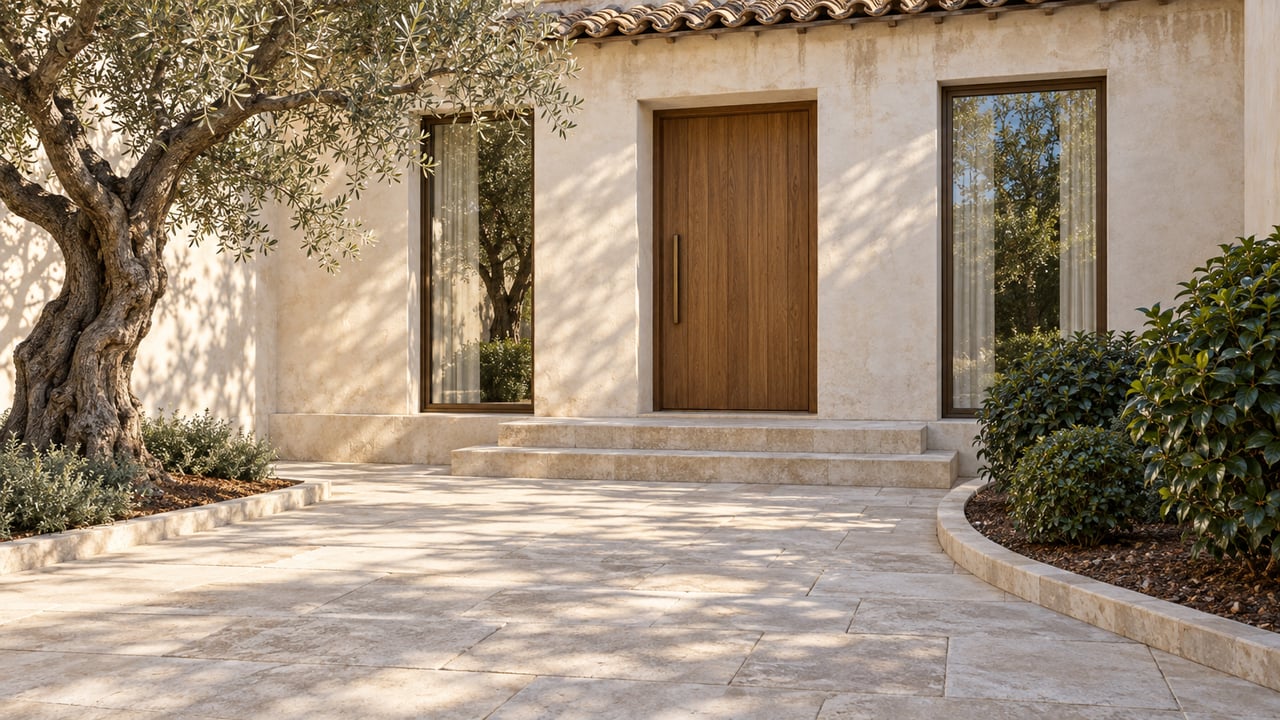
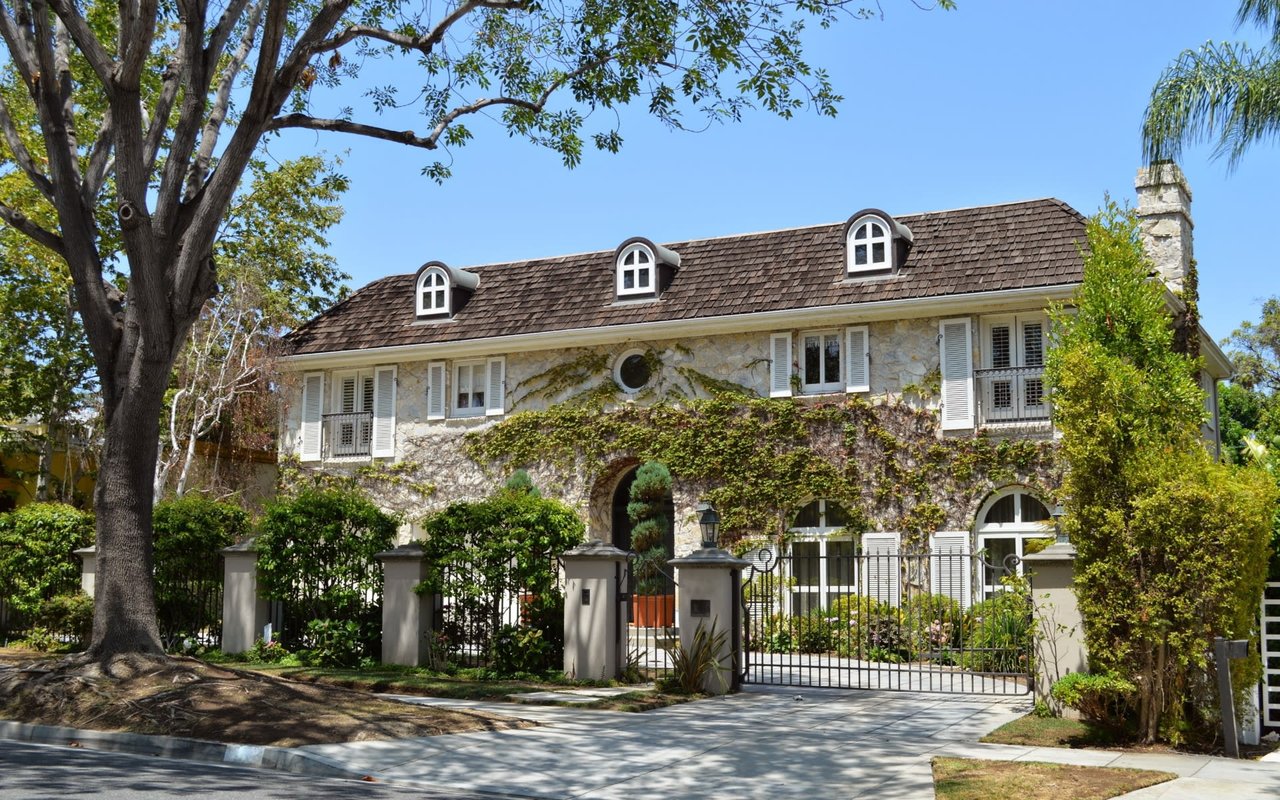
Venice often appeals to design-conscious buyers because the housing stock includes a wide blend of eras and forms. The city planning profile shows that 21.2% of housing was built in 1939 or earlier, which supports the neighborhood’s reputation for older and varied homes. That older fabric sits alongside newer infill and mixed-use development.
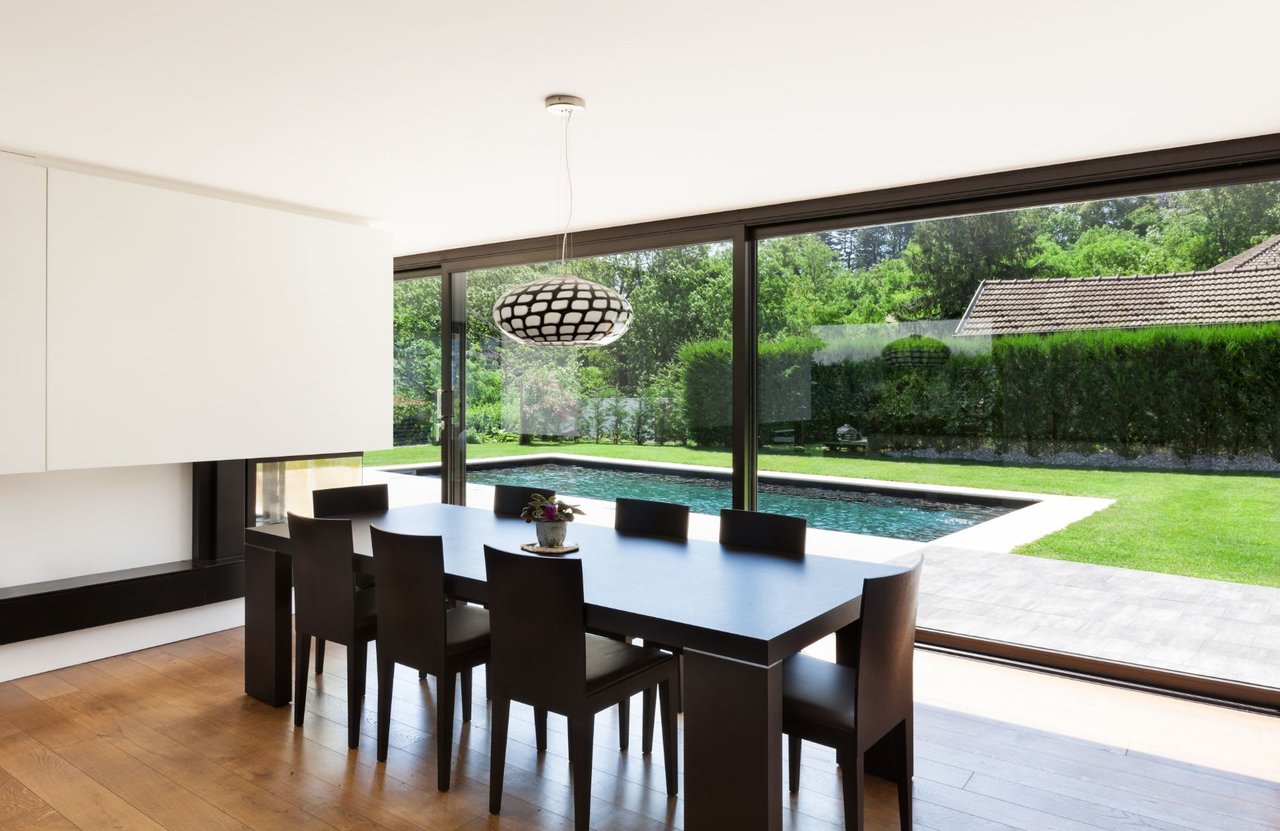
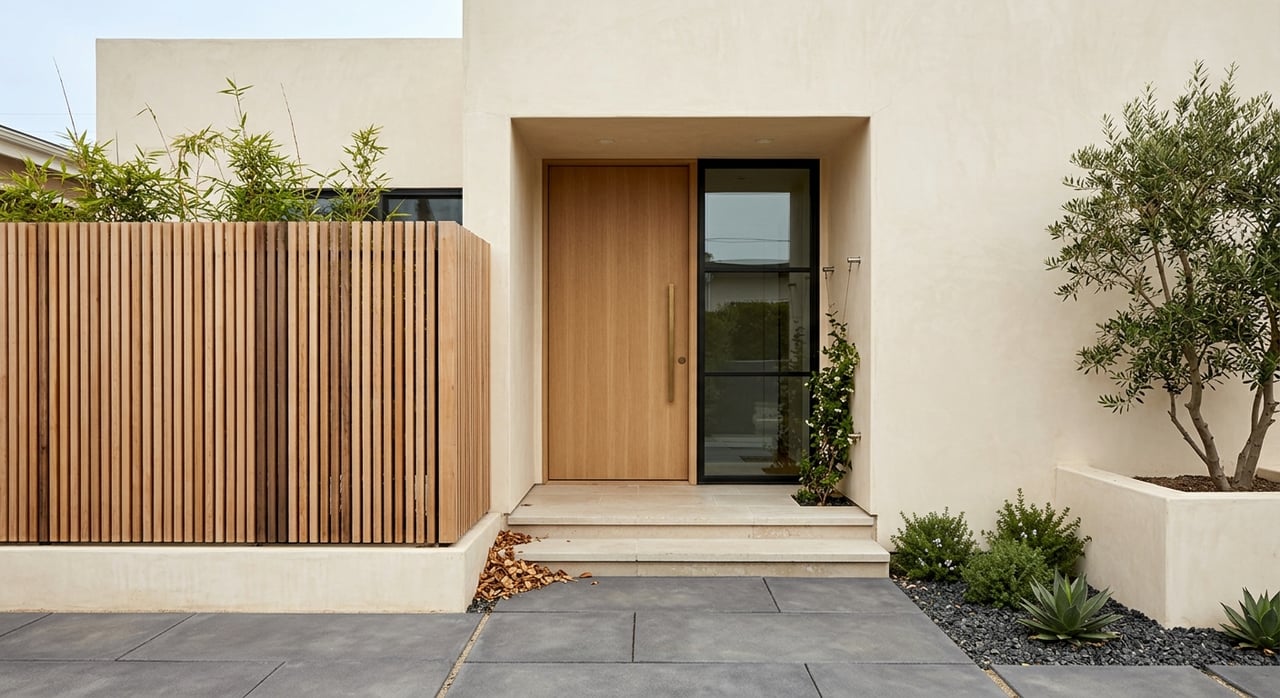
In real life, that can mean a compact apartment building on one street, a period cottage on the next, and a more contemporary home a few doors away. If you care about architecture, layout, and the feel of a street, Venice rewards a careful, block-by-block search. It is a place where broad assumptions usually miss the finer points.
Venice has a strong cultural identity
The beach image is only part of the story. Venice also has a deeper cultural and historical identity that helps shape how it feels to live there today. Sources cited in the research highlight Oakwood as an early African American neighborhood in Venice, and current city update materials reference cultural heritage, mural preservation, and historic resources.
That context matters because it adds depth to the neighborhood experience. Venice often feels creative and layered not only because of current businesses and architecture, but because there is a visible sense of place and memory built into the area. For many residents, that mix is part of the appeal.
Daily life includes real outdoor amenities
Living in Venice means the beach is more than a backdrop. LA Parks describes the 178-acre Venice Beach area as including basketball, handball, paddle tennis, volleyball, a skate park, an outdoor fitness area, play areas, the fishing pier, the boardwalk, and Muscle Beach. That kind of recreation infrastructure shapes everyday life in a meaningful way.
If you like an active routine, this is one of Venice’s biggest strengths. You are not limited to occasional beach visits. The public spaces support movement, exercise, and outdoor time as part of an ordinary week, which is a major reason the neighborhood stays active beyond work hours.
Getting around is possible, but mixed
Venice offers mobility options, though it is not a rail-centered environment. Metro reports that the Venice Boulevard safety and mobility project improved bus, bike, and pedestrian connections, and the Metro 33 Line on Venice Boulevard carries about 20,000 boardings a day. Metro Bike Share also promotes the Venice Beach Bike Path as a scenic Westside route.
That suggests a lifestyle where some trips can be done with less reliance on a car, especially if you are close to key corridors. At the same time, Venice does not function like a transit-heavy urban core where transit is the default for nearly everything. Your exact location within Venice will make a big difference in how convenient different options feel.
The tradeoffs are real
Like many well-known coastal neighborhoods, Venice comes with tradeoffs alongside its appeal. The same public visibility that makes the area exciting can also bring crowds, parking pressure, and constant street-level activity near the beach and busier commercial corridors. Those factors can affect everything from your weekend routine to how quiet your immediate surroundings feel.
This is why Venice is best approached as a series of micro-markets rather than one simple category. A home near the boardwalk, one near Abbot Kinney, and one near the canals may each deliver a very different lifestyle. If you are buying or selling here, understanding those nuances is essential.
Who Venice may suit best
Venice can be a strong fit if you want coastal access, architectural variety, and a neighborhood with distinct personality. It may also appeal to you if you value walkability to local businesses, outdoor recreation, and a setting that feels visually and culturally layered. For many buyers, the attraction is not just the beach. It is the mix of energy, design, and everyday texture.
At the same time, Venice is usually not a place to choose based on a broad reputation alone. The best fit depends on how you want your street, your commute, and your immediate surroundings to feel. In Venice, small location differences can have an outsized effect on daily life.
If you are weighing whether Venice is the right match, the most helpful approach is to look beyond the postcard version and focus on the exact pocket that supports your lifestyle. That kind of neighborhood reading is where local insight really matters. If you want thoughtful guidance on buying or selling in Los Angeles, connect with Marlyse Scherr.
FAQs
What is daily life like in Venice Beach today?
- Daily life in Venice Beach depends heavily on your exact location, but it generally blends coastal recreation, residential living, local commercial activity, and higher visitor traffic near the beach and main corridors.
Are all parts of Venice Beach equally busy?
- No. Ocean Front Walk is the most active and tourist-oriented, while the canals, walk streets, and some inland residential blocks tend to feel quieter and more private.
What kind of housing can you find in Venice Beach?
- Venice has a wide mix of housing types, including single-family homes, apartments, multi-unit buildings, mixed-use properties, cottages, bungalows, and some live/work spaces.
Is Venice Beach a good fit for design-conscious buyers?
- Venice often appeals to design-conscious buyers because the neighborhood includes older housing stock, varied architecture, irregular lot patterns, and a mix of historic character with newer infill.
Can you get around Venice Beach without driving everywhere?
- In some cases, yes. Bus, bike, and pedestrian connections are part of daily life in Venice, but convenience varies by location and it is not the same as living in a rail-rich part of Los Angeles.
What are the main tradeoffs of living in Venice Beach?
- The main tradeoffs usually include crowds, parking pressure, and more street activity near the beach and commercial corridors, which is why choosing the right micro-location matters so much.