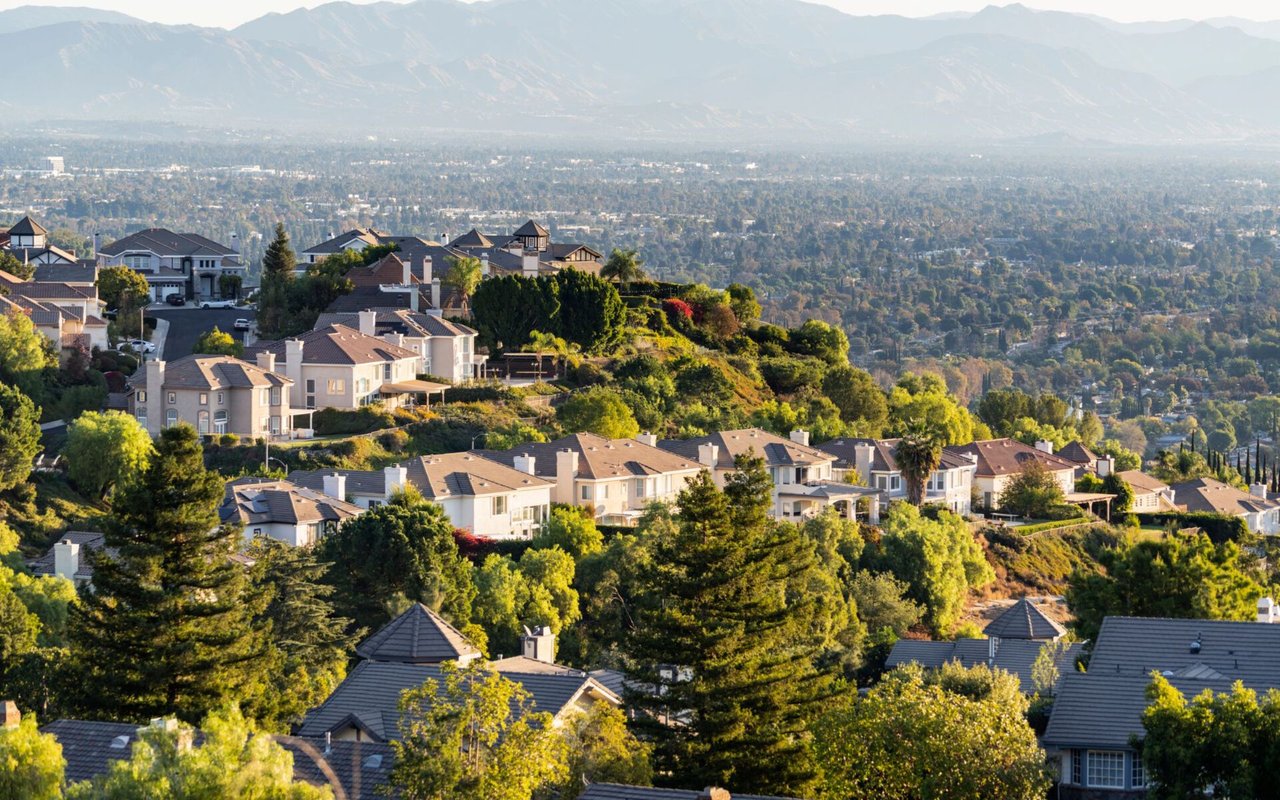
This Central Los Angeles neighborhood guide is your definitive resource for understanding the most culturally dense, most architecturally diverse, and most dynamic real estate market in the city. Central Los Angeles is not a single neighborhood — it is a collection of nine distinct communities, each with its own identity, price point, and claim on what Los Angeles means: the entertainment industry glamour of Hollywood, the designer-label energy of West Hollywood's Sunset Strip, the mid-century architectural splendor of Hancock Park and Windsor Square, the authentic immigrant community culture of Koreatown, the tech and creative industry hub of Silver Lake and Echo Park, and the full breadth of everything the city has to offer in its most concentrated form.
Marlyse Scherr serves Central Los Angeles buyers and sellers from her office at 251 N Larchmont Blvd — in the heart of Hancock Park, one of the region's most historically significant residential neighborhoods. This neighborhood guide reflects the depth of local knowledge she brings to every client relationship across this remarkable corner of Los Angeles.
Central Los Angeles is where the city's myths live. The Hollywood Sign on the hill above. The stars on the sidewalk of Hollywood Boulevard. The Sunset Strip's legendary venues. The Cézannes in LACMA. The Armenian delis of East Hollywood and the Korean barbecue of Koreatown. All of it within the same few miles of one of the most storied landscapes in the world.
Central Los Angeles encompasses approximately 18 square miles and a population of 821,380 — a density of 26,830 people per square mile that makes it one of the most concentrated urban environments in the American West. It covers a loosely defined geography roughly bounded by the Santa Monica Mountains to the north, the 405 and 110 freeways to the west and south, and Downtown Los Angeles to the east — a territory that contains some of the most recognizable streets, landmarks, and cultural institutions in American popular consciousness.
The Walk Score of 93 — Walker's Paradise — reflects what makes Central Los Angeles genuinely different from the rest of the Los Angeles Basin: the density of goods and services within walking distance of most residential addresses here is extraordinary by any California standard. Melrose Avenue's boutiques, the Farmers Market at Third and Fairfax, the independent bookshops of Los Feliz, the coffee shops and galleries of Silver Lake, the restaurants of Larchmont Village — these are daily pleasures accessible on foot that define the Central LA urban lifestyle in a way that no other part of Los Angeles quite replicates.
For real estate buyers, the Central Los Angeles market is one of the most extraordinary in the country: current active listings on this page range from $29.9M to $125M, representing a market where the combination of Hollywood Hills canyon homes, West Hollywood luxury residences, and the architectural estates of Hancock Park and Windsor Square creates a property landscape of genuinely exceptional diversity and ambition. Marlyse's office on Larchmont Boulevard — one of Central LA's most beloved and walkable commercial streets — positions the team at the heart of the community they represent.
Central Los Angeles is defined by its neighborhoods — nine distinct communities within the broader geographic designation, each requiring its own introduction. Marlyse Scherr maintains dedicated neighborhood guides for all of them:
West Hollywood is the most glamorous municipality in the Central Los Angeles corridor — an independent city of approximately 35,000 residents whose Sunset Strip, Design District, and Santa Monica Boulevard anchors have made it the cultural and nightlife epicenter of the greater Los Angeles area for a generation. The Sunset Strip's legendary music venues, the flagship stores of the Melrose and Robertson Design Districts, the concentration of industry-adjacent restaurants and rooftop bars that serve the entertainment and fashion worlds — all of this within a walkable, bikeable city of just 1.9 square miles. Real estate here spans from beautifully maintained Spanish Colonial and Mediterranean single-family homes in the flats to the canyon estate listings that anchor the $39.5M-$125M tier visible in Marlyse's active portfolio.
Explore the dedicated West Hollywood neighborhood guide from Marlyse Scherr
Hollywood is the neighborhood where the myth and the reality of Los Angeles coexist in the most vivid and contradictory form. The Walk of Fame and the TCL Chinese Theatre anchor the tourist geography of Hollywood Boulevard. But residential Hollywood — the streets above the Boulevard, the neighborhoods of Beachwood Canyon, Franklin Hills, and the areas around Los Feliz — offer some of the most architecturally interesting and most character-rich housing stock in the city. Spanish Colonial, Craftsman, Tudor, and Mid-Century Modern homes at accessible Central LA price points attract the actors, writers, directors, and industry professionals who choose the neighborhood for its character and its authenticity.
Explore the dedicated Hollywood neighborhood guide from Marlyse Scherr
Hancock Park is Central Los Angeles's most distinguished residential neighborhood — a tree-canopied enclave of gracious historic homes on broad streets between Wilshire Boulevard and Melrose Avenue, developed in the 1920s and early 1930s for the business and professional establishment of the era and maintained to an extraordinary standard ever since. Spanish Colonial Revival, Tudor Revival, Georgian Colonial, and French Normandy homes on double and triple lots represent some of the most architecturally significant residential stock in California. Marlyse's office at 251 N Larchmont Blvd places her team at the center of the Larchmont Village commercial corridor — the beloved neighborhood main street that serves Hancock Park, Windsor Square, and the surrounding communities.
Explore the dedicated Hancock Park neighborhood guide from Marlyse Scherr
Windsor Square and Fremont Place are Hancock Park's most exclusive neighbors — quiet historic residential enclaves of even larger estate homes on wider lots with mature tree canopies that create a sense of complete seclusion within a dense urban environment. Fremont Place is a gated community of magnificent historic homes; Windsor Square's Palmer Square and the surrounding streets offer comparable scale in a non-gated setting. These neighborhoods represent some of the most significant estate real estate in the Central Los Angeles market.
Explore the dedicated Windsor Square neighborhood guide from Marlyse Scherr
Explore the dedicated Fremont Place neighborhood guide from Marlyse Scherr
Beverly Grove occupies the block south of West Hollywood between Beverly Hills and the Fairfax District — a mixed neighborhood of Spanish Colonial and Mid-Century single-family homes alongside the Grove outdoor shopping center, the Original Farmers Market (operating since 1934), and LACMA's museum campus. The Fairfax Avenue corridor's Jewish cultural heritage, the galleries of the surrounding arts district, and the proximity to both Beverly Hills and West Hollywood make this one of Central Los Angeles's most layered and most livable neighborhoods.
Explore the dedicated Beverly Grove neighborhood guide from Marlyse Scherr
Koreatown is one of Central Los Angeles's most densely populated and most culturally vital neighborhoods — the largest Korean community outside of Korea, anchored by Wilshire Boulevard's commercial corridor and an extraordinary density of restaurants, karaoke venues, spas, and cultural institutions that make it one of the most genuinely distinctive urban neighborhoods in the United States. The real estate market here reflects the neighborhood's density: primarily multi-family residential, condominiums, and apartment buildings alongside the commercial corridor, with a buyer profile drawn to the neighborhood's energy, its walkability, and its value relative to the surrounding neighborhoods.
Explore the dedicated Koreatown neighborhood guide from Marlyse Scherr
Downtown Los Angeles has undergone one of the most dramatic urban transformations of any American downtown over the past two decades — from a largely empty office district after 5 PM to a genuine 24-hour urban neighborhood of loft conversions, new high-rise residential towers, acclaimed restaurants, arts institutions, and the Arts District's creative industry presence. The Broad Museum, the Museum of Contemporary Art, the Disney Concert Hall, Grand Central Market, and the developing DTLA arts and restaurant scene have created a downtown residential market that attracts urban professionals, creative industry workers, and investors who recognize the value of a central address in a city that has historically been defined by its decentralization.
Explore the dedicated Downtown Los Angeles neighborhood guide from Marlyse Scherr
Brookside is one of Central Los Angeles's quieter residential jewels — a small, largely residential neighborhood adjacent to the Wilshire Country Club and Hancock Park, with a character that provides the benefits of Central Los Angeles's location at a residential scale and price point that its more famous neighbors increasingly cannot offer. It is a neighborhood that rewards buyers who discover it.
Explore the dedicated Brookside neighborhood guide from Marlyse Scherr
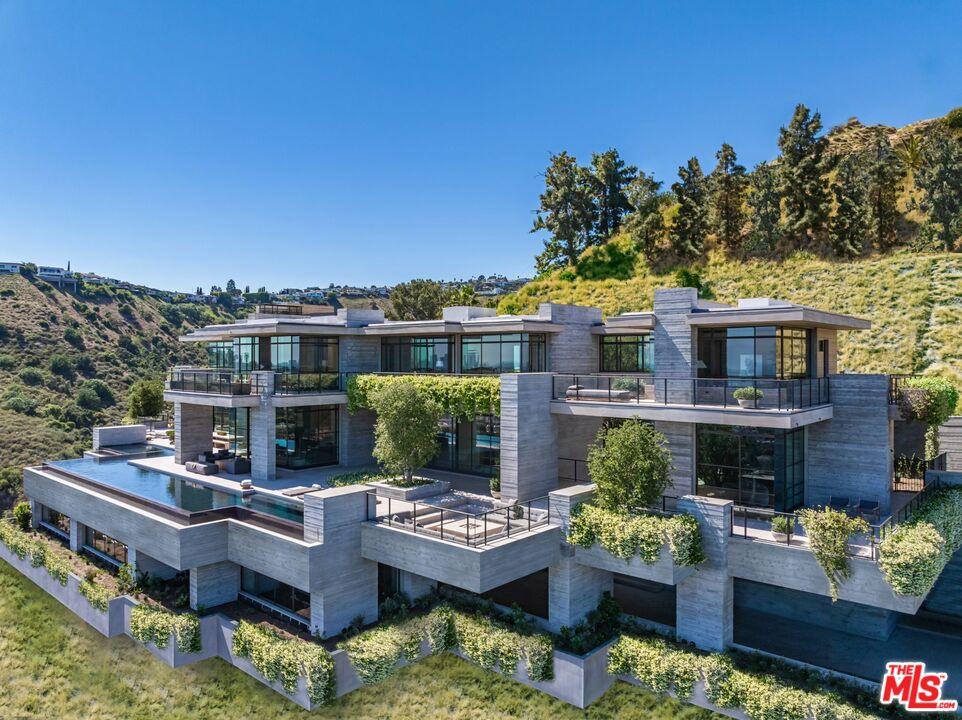
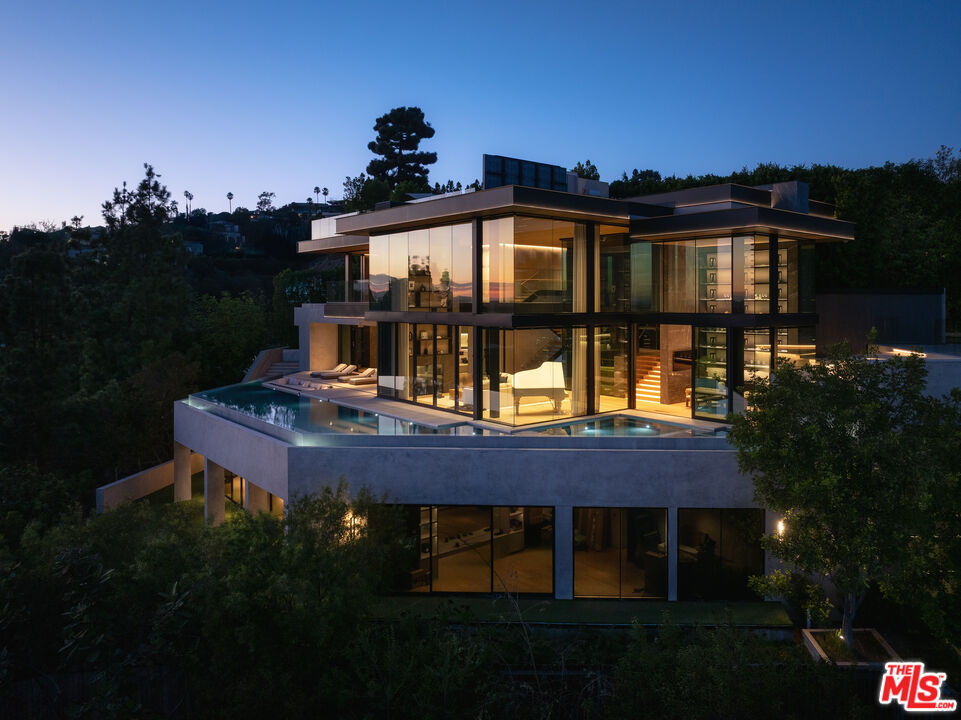
The Central Los Angeles real estate market spans a range that is almost unique in the American residential landscape — from well-priced condominiums and smaller single-family homes in Koreatown and Westlake at $600,000-$1.5M, through the established single-family neighborhoods of Hancock Park, Windsor Square, and Beverly Grove at $2M-$8M, to the Hollywood Hills canyon estates and West Hollywood ultra-luxury residences currently listed at $29.9M, $35M, $39.5M, $49M, $57M, $82M, $85M, and $125M. It is a market of extraordinary breadth and extraordinary complexity.
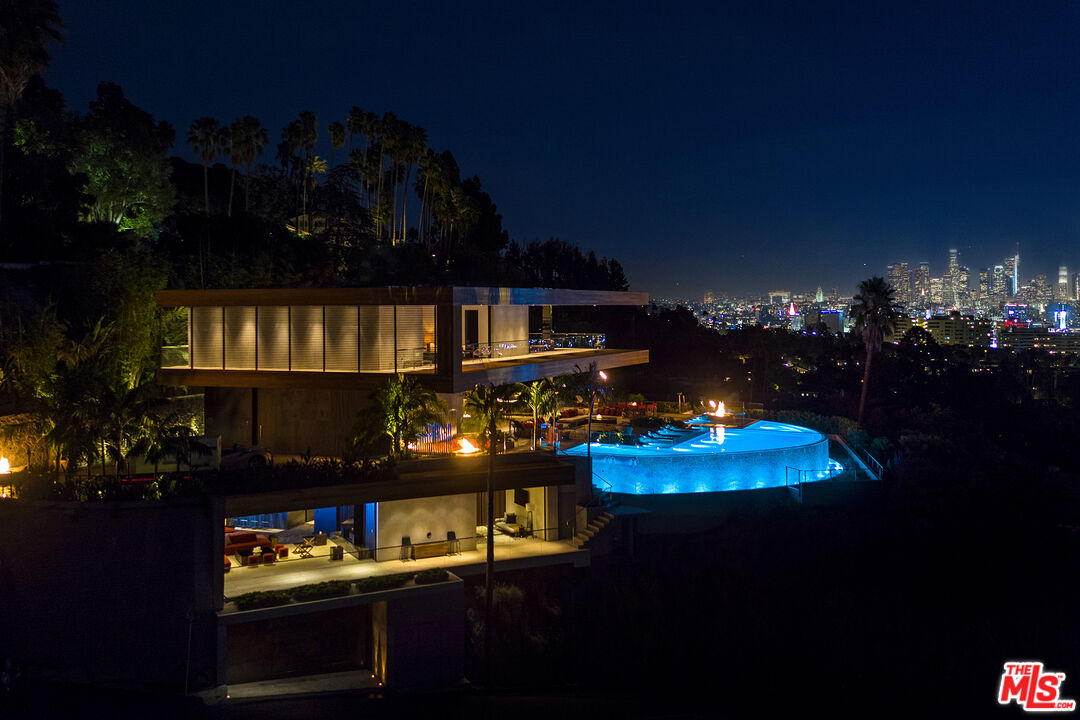
Hollywood Hills canyon estates — the most dramatic and most glamorous residential addresses in Central Los Angeles; private, gated, with panoramic city and canyon views; representing the $29.9M–$125M tier visible in Marlyse's active listings
West Hollywood luxury residences — the Sunset Strip ridge homes and the flats residences of West Hollywood's most prestigious blocks; entertainment industry principals and international buyers; $5M–$57M+
Hancock Park, Windsor Square & Fremont Place historic estates — architecturally significant 1920s-1930s historic homes on double and triple lots; $2.5M–$8M for established addresses
Mid-century and Spanish Colonial single-family homes — the residential fabric of Hollywood, Los Feliz, Beverly Grove, and the Fairfax corridor; $1.2M–$4M for the most sought-after examples
Loft conversions and high-rise condominiums — Downtown LA's adaptive reuse and new construction residential towers; $500,000-$3M+
Multi-family residential — Koreatown and the Wilshire corridor's dense apartment and condominium inventory
Marlyse Scherr's dedicated Pocket Listings program is particularly valuable in Central Los Angeles — a market where many of the most significant transactions happen before properties are ever listed on the public MLS. The $82M Thrasher Avenue property and the $125M Curson Terrace listing represent the public face of a market where equally significant transactions happen privately, between agents with established relationships and qualified buyers who have earned access to them. Marlyse's pocket listings portfolio gives buyers access to the full Central Los Angeles market, not just its public inventory.
Browse Marlyse's current Central Los Angeles listings: Los Angeles CA real estate
• Luxury homes for sale in Los Angeles
• Single-family homes for sale in Los Angeles
• Hancock Park real estate — Marlyse's most focused neighborhood specialization
• Pocket listings — off-market Central Los Angeles properties
Walk Score of 93 — Walker's Paradise, the most walkable large-area designation in Greater Los Angeles; most daily needs accessible on foot from Central LA residential addresses
Larchmont Village — one of Los Angeles's most beloved neighborhood main streets; independent restaurants, bakeries, boutiques, and the weekly Larchmont Farmers Market within steps of Hancock Park's most established residential streets
Los Angeles County Museum of Art (LACMA) — the largest art museum in the western United States, anchoring the Wilshire corridor's museum row with encyclopedic collections, film programming, and the Chris Burden Urban Light sculpture that has become one of LA's most iconic images
The Sunset Strip — the most historically significant entertainment corridor in American music history; the Roxy, the Whisky a Go Go, Chateau Marmont, and the concentration of music industry presence that has defined the Strip for 60 years
Griffith Park and the Hollywood Hills — 4,210 acres of urban wilderness accessible from the communities north of Hollywood; the Observatory, the Greek Theatre, miles of hiking and equestrian trails
Hollywood Bowl — the world's largest natural amphitheater, hosting summer symphony, major concerts, and film screenings in a setting unlike any other music venue in the country
A genuine cosmopolitan cultural density — Little Armenia, Thai Town, Koreatown, and the diversity of cultural institutions, restaurants, and communities that make Central LA arguably the most culturally varied urban environment in the United States
The entertainment industry ecosystem — the studios, agencies, management companies, and the professional community that makes Los Angeles the world's entertainment capital are concentrated in and around Central Los Angeles
No California state income tax advantage — California's income tax rates are among the nation's highest, but the specific tax benefits of California homeownership (Prop 13 protection, exclusions for primary residence) can be meaningful for buyers establishing a primary residence
Central Los Angeles doesn't have a single lifestyle — it has as many lifestyles as it has neighborhoods. The Hancock Park family taking their children to school past architecture they see every morning and never quite stop noticing. The West Hollywood creative professional whose daily walk to the coffee shop traces the same blocks where the music industry's history was written. The Koreatown resident who lives above the city's most concentrated dining street and eats extraordinarily well every day of the week. The Downtown loft dweller who walks to the Broad on a Tuesday afternoon because the line is manageable on weekdays.
What these communities share — the thread that makes Central Los Angeles coherent despite its variety — is the Walk Score of 93 and what it actually means in practice. Central Los Angeles is where you can genuinely live in Los Angeles without your life being organized around the car. The farmers markets, the dry cleaner, the restaurant, the gym, the hardware store — these are walkable distances from the residential addresses here, a fact that people who have lived in car-dependent LA neighborhoods and then moved to Central LA describe as one of the most significant quality-of-life improvements they have ever experienced.
The entertainment industry's presence shapes everything from property values to social dynamics. In Hancock Park, your neighbor might be a studio executive. In the Hollywood Hills, a musician or a director. In West Hollywood, an agent or a showrunner. The industry's proximity is partly why Central LA real estate commands the premiums it does, and partly why it maintains a social vitality that purely residential communities often lack — the sense that the work happening here is meaningful, visible, and consequential.
Central Los Angeles has one of the most extraordinary dining concentrations in the United States — a natural consequence of the entertainment industry professionals, international residents, and culturally voracious population that makes this part of Los Angeles its home. The West Hollywood restaurant corridor along Santa Monica Boulevard and Melrose Avenue is one of the most consistently celebrated dining destinations in America — with the neighborhood's long history of supporting LGBTQ+ culture creating a restaurant scene that values creativity and authenticity equally. Koreatown's Wilshire Boulevard is a Korean barbecue destination that attracts diners from across the metropolitan area. And Larchmont Village's restaurant row — a walkable stretch of independently owned restaurants within blocks of Hancock Park's most established residences — provides the kind of neighborhood dining intimacy that Los Angeles rarely manages to sustain.
LACMA's museum campus on Wilshire Boulevard is the cultural anchor of Central Los Angeles — encyclopedic collections of art from antiquity to the present, the Academy Museum of Motion Pictures adjacent to it, and the Petersen Automotive Museum nearby creating a museum row that rivals any in the country outside of New York. The Hollywood Bowl's summer season brings symphony, major touring artists, and film screenings to one of the world's most spectacular natural performance settings. The Saban Theatre, the Pantages, the Groundlings comedy theatre, the Upright Citizens Brigade, and the concentration of small live performance venues that Central LA sustains make it one of the most active live entertainment communities in the country.
The Melrose Avenue shopping corridor — from the Melrose Trading Post flea market on Sunday mornings to the flagship luxury boutiques of the Robertson and Beverly Design Districts — provides the full spectrum of retail from vintage and independent design to Chanel and Prada within a continuous walkable corridor. The Original Farmers Market at Third and Fairfax, operating since 1934, is a beloved community institution and one of Los Angeles's most authentically local experiences. And the Grove outdoor shopping center adjacent to the Farmers Market provides comprehensive national retail in one of LA's most visited entertainment and retail destinations.
Central Los Angeles is served by the Los Angeles Unified School District (LAUSD) — the second-largest school district in the United States. LAUSD school quality varies significantly across Central LA's diverse neighborhoods, and families evaluating specific residential addresses should research school assignments carefully as part of their buying process. However, Central Los Angeles also supports a remarkable density of private school options that serve as an educational alternative for many families who choose this part of the city.
Marlborough School — one of California's most prestigious independent girls' schools, located in Hancock Park; a K-12 institution with rigorous academics and exceptional college placement
Harvard-Westlake School (Middle School campus on Harvard Road) — the most selective independent school in Los Angeles, with campuses serving grades 7-12
Campbell Hall Episcopal School — a highly regarded K-12 Episcopal independent school in Studio City, accessible from most Central LA neighborhoods
Loyola High School — a Jesuit college preparatory boys' school in the Hancock Park corridor with a national academic reputation
Immaculate Heart High School — a Catholic girls' school in Los Feliz/East Hollywood with a strong academic and arts program
Marlyse Scherr can provide school boundary information for any specific Central Los Angeles address and is happy to connect families with LAUSD and independent school resources as part of the home-buying process.
Beverly Hills: immediately west — 5-10 minutes from Hancock Park; 10-15 from West Hollywood
Santa Monica / Beach: approximately 12-15 miles west — 20-40 minutes via surface streets (Santa Monica Blvd, Wilshire) or the 10 Freeway
Downtown Los Angeles: approximately 5-8 miles east — 15-25 minutes via Wilshire or the 101
LAX (Los Angeles International Airport): approximately 15-18 miles southwest — 25-45 minutes via the 405 or surface streets
Burbank (Bob Hope) Airport: approximately 15-18 miles north — 20-35 minutes via Cahuenga Pass or the 101/134
Pasadena: approximately 18-20 miles northeast — 25-40 minutes via the 110 or the 134
Malibu: approximately 25 miles northwest — 35-55 minutes via PCH or Sunset Boulevard
The Transit Score of 59 (Good Transit) reflects Central Los Angeles's position within the Metro system — the Red Line subway runs from North Hollywood through Hollywood/Highland, Hollywood/Vine, and Hollywood/Western before connecting to Koreatown's Wilshire stations and Downtown. The Metro Purple Line extension continues to expand west toward Beverly Hills and Century City. Bus lines connect most Central LA neighborhoods with the broader Metro network. For residents of Hancock Park, Beverly Grove, and the interior neighborhoods, the transit options supplement rather than replace car travel — but for residents along the Wilshire and Hollywood corridors, the Metro provides genuine access to Downtown, Hollywood, and Westside destinations without a car.
Central Los Angeles encompasses nine primary neighborhoods: Downtown Los Angeles, Hollywood, Koreatown, Little Bangladesh, Rampart Village, West Hollywood, Westlake, Wilshire Center, and the broader Los Angeles central district. Adjacent to and closely connected with Central LA are Hancock Park, Windsor Square, Beverly Grove, Fremont Place, and Brookside — neighborhoods where Marlyse Scherr focuses her Central Los Angeles real estate practice. Each neighborhood has its own dedicated guide on this site.
Central Los Angeles real estate spans a remarkable range. Entry-level condominiums and smaller homes in Koreatown, Westlake, and the Wilshire corridor start around $500,000-$800,000. Mid-range single-family homes in Hollywood, Beverly Grove, and the Fairfax area range from $1.2M-$4M. Hancock Park and Windsor Square estate homes run $2.5M-$8M. Hollywood Hills canyon estates and West Hollywood ultra-luxury residences are currently listed at $29.9M, $35M, $39.5M, $49M, $57M, $82M, $85M, and $125M — the apex of the Central Los Angeles market and among the most significant residential listings in the United States.
Central Los Angeles has a Walk Score of 93 — Walker's Paradise — the most walkable designation in Los Angeles and one of the highest Walk Scores of any large area in Southern California. Most daily errands, dining, shopping, and entertainment are accessible on foot from the majority of Central LA residential addresses. The neighborhood's transit score of 59 (Good Transit) reflects access to the Metro Red and Purple Lines and extensive bus service. Combined, these scores make Central Los Angeles one of the only parts of greater Los Angeles where genuinely car-optional daily living is achievable.
Hancock Park is Central Los Angeles's most architecturally distinguished residential neighborhood — a collection of gracious historic homes in Spanish Colonial Revival, Tudor Revival, Georgian Colonial, and French Normandy styles developed in the 1920s and 1930s. The neighborhood's tree canopy, its double and triple-lot properties, and the walkable Larchmont Village commercial district make it one of the most sought-after addresses in the city. Marlyse Scherr's office at 251 N Larchmont Blvd places her team at the heart of this community, giving her buyers and sellers an embedded knowledge of the market that few agents can match.
Marlyse Scherr brings a deeply personal approach to Central Los Angeles real estate — she lives and works in the community she represents, with her office on Larchmont Boulevard at the heart of Hancock Park. Her passion is helping buyers discover the Central LA neighborhood that feels like home — from Santa Monica to Beverly Hills, Silver Lake to Venice, she knows that every neighborhood has its own rhythm and that matching a buyer to the right neighborhood is as important as matching them to the right property. Her Coldwell Banker affiliation provides the global network and marketing platform; her community embedding provides the local knowledge. Contact Marlyse at (213) 309-0627 to begin your Central Los Angeles real estate conversation.
From Santa Monica to Beverly Hills, Silver Lake to Venice, every Central Los Angeles neighborhood has its own rhythm. Marlyse Scherr's passion is helping you discover the one that feels like home — with the local knowledge that comes from living and working at 251 N Larchmont Blvd, in the heart of the community she represents.
Whether you are evaluating Hancock Park's historic estates for the first time, searching for a Hollywood Hills canyon home, comparing West Hollywood to Beverly Grove, looking for a pocket listing that hasn't reached the public market, or ready to sell a property you've loved for years — Marlyse brings the expertise, the Coldwell Banker network, and the personal commitment that Central Los Angeles real estate deserves. Let's connect.
|
|
|
821,380 people live in Central Los Angeles, where the median age is 39 and the average individual income is $58,460. Data provided by the U.S. Census Bureau.
Total Population
Median Age
Population Density Population Density This is the number of people per square mile in a neighborhood.
Average individual Income
There's plenty to do around Central Los Angeles, including shopping, dining, nightlife, parks, and more. Data provided by Walk Score and Yelp.
Explore popular things to do in the area, including 99 Cents Mas O Menos, Spooning Acai Bowls and More, and Breakfast Babes.
| Name | Category | Distance | Reviews |
Ratings by
Yelp
|
|---|---|---|---|---|
| Dining | 0.18 miles | 0 reviews | 0/5 stars | |
| Dining | 0.22 miles | 0 reviews | 0/5 stars | |
| Dining | 0.22 miles | 0 reviews | 0/5 stars | |
| Dining | 0.24 miles | 9 reviews | 5/5 stars | |
| Dining · $ | 0.36 miles | 2 reviews | 4/5 stars | |
| Dining | 0.42 miles | 1 review | 5/5 stars | |
| Dining · $ | 0.49 miles | 10 reviews | 2.8/5 stars | |
| Dining | 0.56 miles | 0 reviews | 0/5 stars | |
| Dining · $ | 0.57 miles | 113 reviews | 4.4/5 stars | |
| Dining | 0.58 miles | 0 reviews | 0/5 stars | |
| Dining | 0.63 miles | 1 review | 4/5 stars | |
| Dining | 0.65 miles | 1 review | 5/5 stars | |
| Dining | 0.65 miles | 0 reviews | 0/5 stars | |
| Dining | 0.71 miles | 0 reviews | 0/5 stars | |
| Dining · $$ | 0.73 miles | 6 reviews | 4.8/5 stars | |
| Shopping | 0.73 miles | 5 reviews | 4.6/5 stars | |
| Active | 0.24 miles | 14 reviews | 3.8/5 stars | |
| Beauty | 0.15 miles | 4 reviews | 4.5/5 stars | |
| Beauty | 0.39 miles | 1 review | 5/5 stars | |
| Beauty | 0.6 miles | 3 reviews | 5/5 stars | |
| Beauty | 0.65 miles | 24 reviews | 4.8/5 stars | |
| Beauty | 0.65 miles | 0 reviews | 0/5 stars | |
| Beauty | 0.71 miles | 3 reviews | 5/5 stars | |
| Beauty | 0.73 miles | 1 review | 5/5 stars | |
|
|
||||
|
|
||||
|
|
||||
|
|
||||
|
|
||||
|
|
Central Los Angeles has 377,232 households, with an average household size of 2. Data provided by the U.S. Census Bureau. Here’s what the people living in Central Los Angeles do for work — and how long it takes them to get there. Data provided by the U.S. Census Bureau. 821,380 people call Central Los Angeles home. The population density is 26,830 and the largest age group is Data provided by the U.S. Census Bureau.
Total Population
Population Density Population Density This is the number of people per square mile in a neighborhood.
Median Age
Men vs Women
Population by Age Group
0-9 Years
10-17 Years
18-24 Years
25-64 Years
65-74 Years
75+ Years
Education Level
Total Households
Average Household Size
Average individual Income
Households with Children
With Children:
Without Children:
Marital Status
Blue vs White Collar Workers
Blue Collar:
White Collar: